
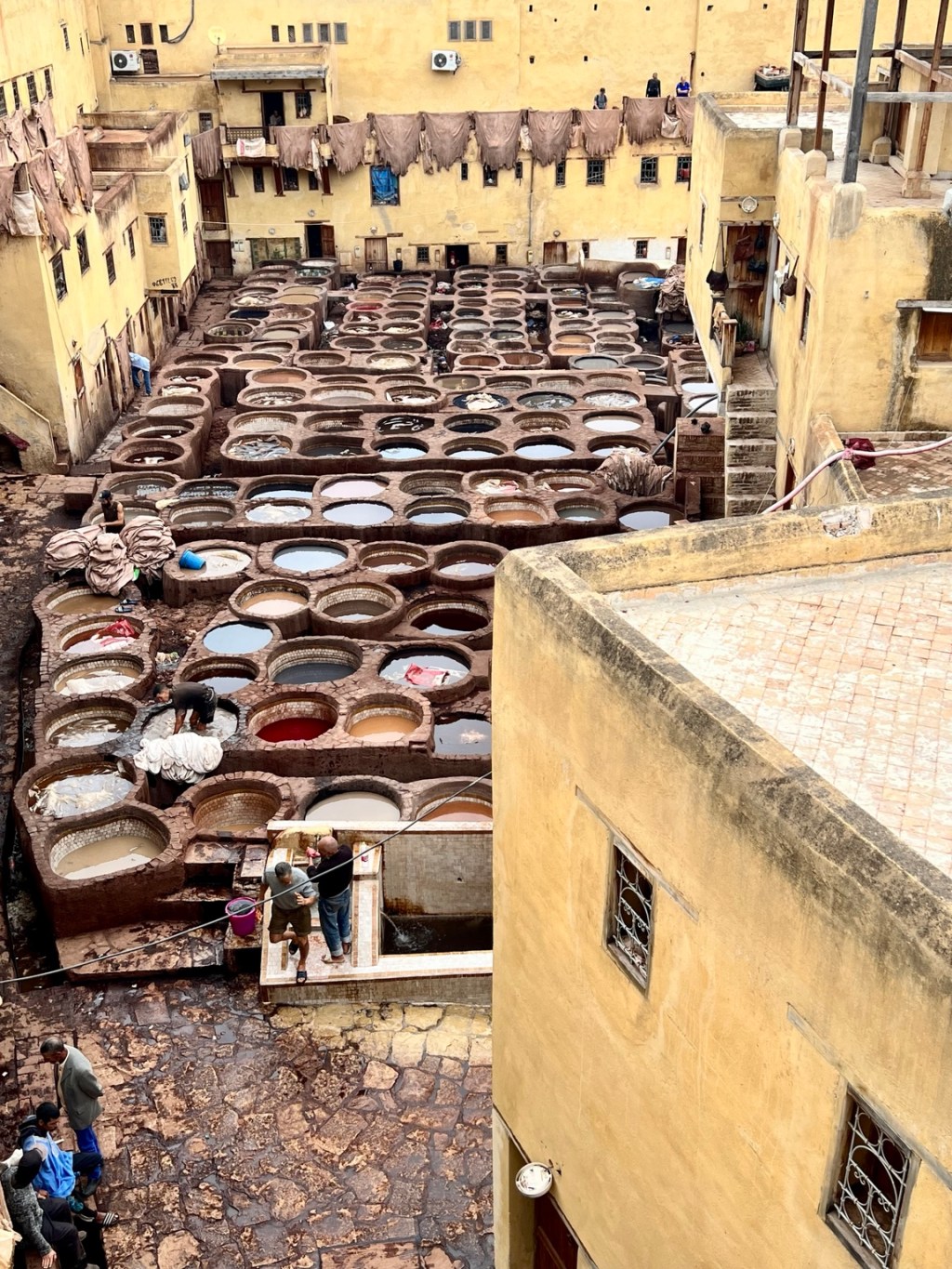
Fez was the Moroccan city my friend especially wanted to see. I understood why as soon as we started exploring the old medina: it is unlike anywhere else I have traveled. It is historic, intensely atmospheric, full of craftsmanship and excellent food, and—in my experience—very, very easy to get lost in.
I came away from Fez with some of my favorite meals of our entire Morocco trip, incredible photographs of its famous leather tanneries, and a strong conviction that choosing where to stay in the medina really matters. It’s one of the places I most want to describe honestly.
A charming Airbnb, but not the location I’d choose again
We arrived by train from Marrakech and checked into an Airbnb inside the old walled medina. The place itself was really charming. It had traditional details, attractive interior spaces, and a sense of staying somewhere with real character.
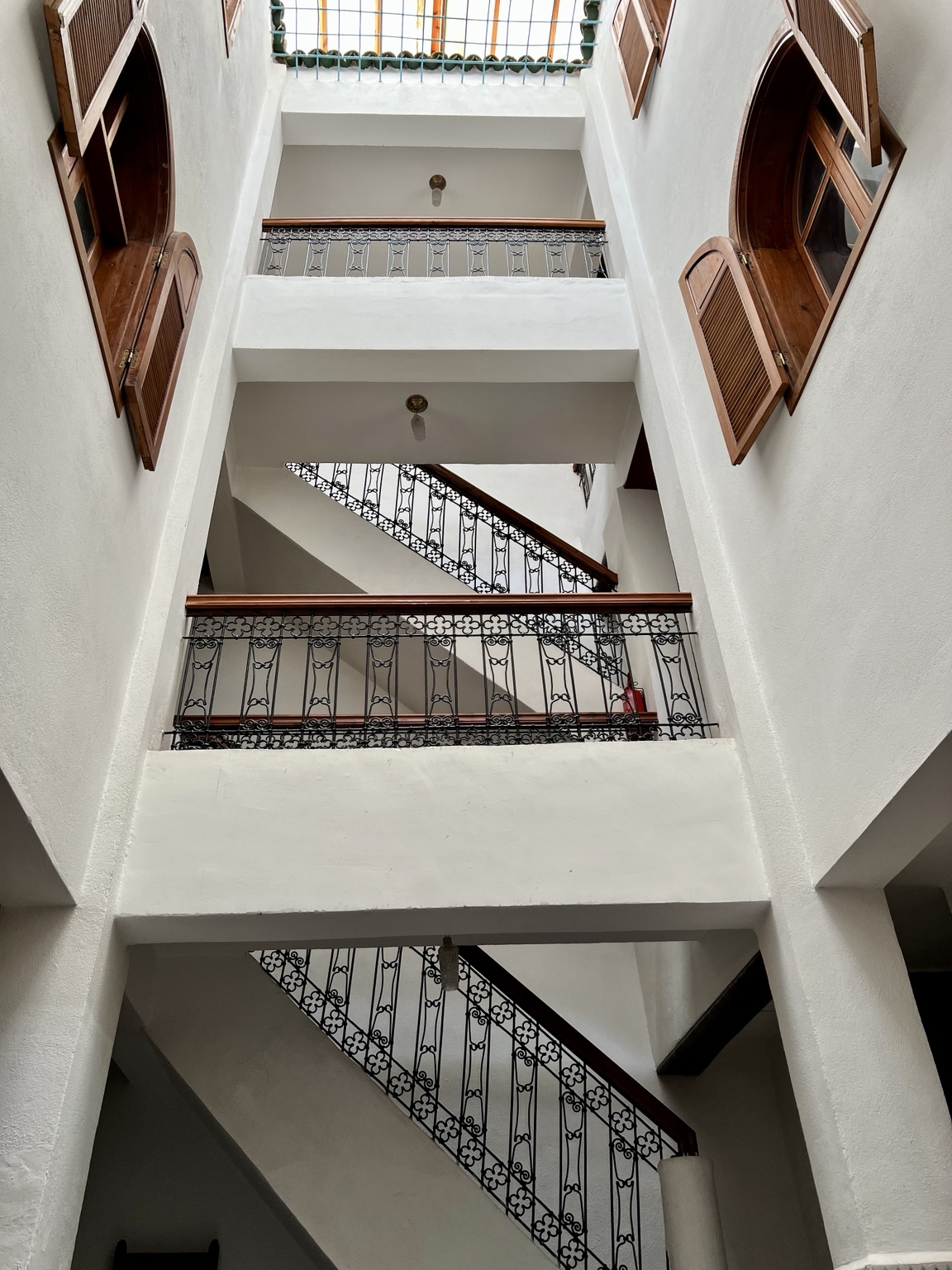
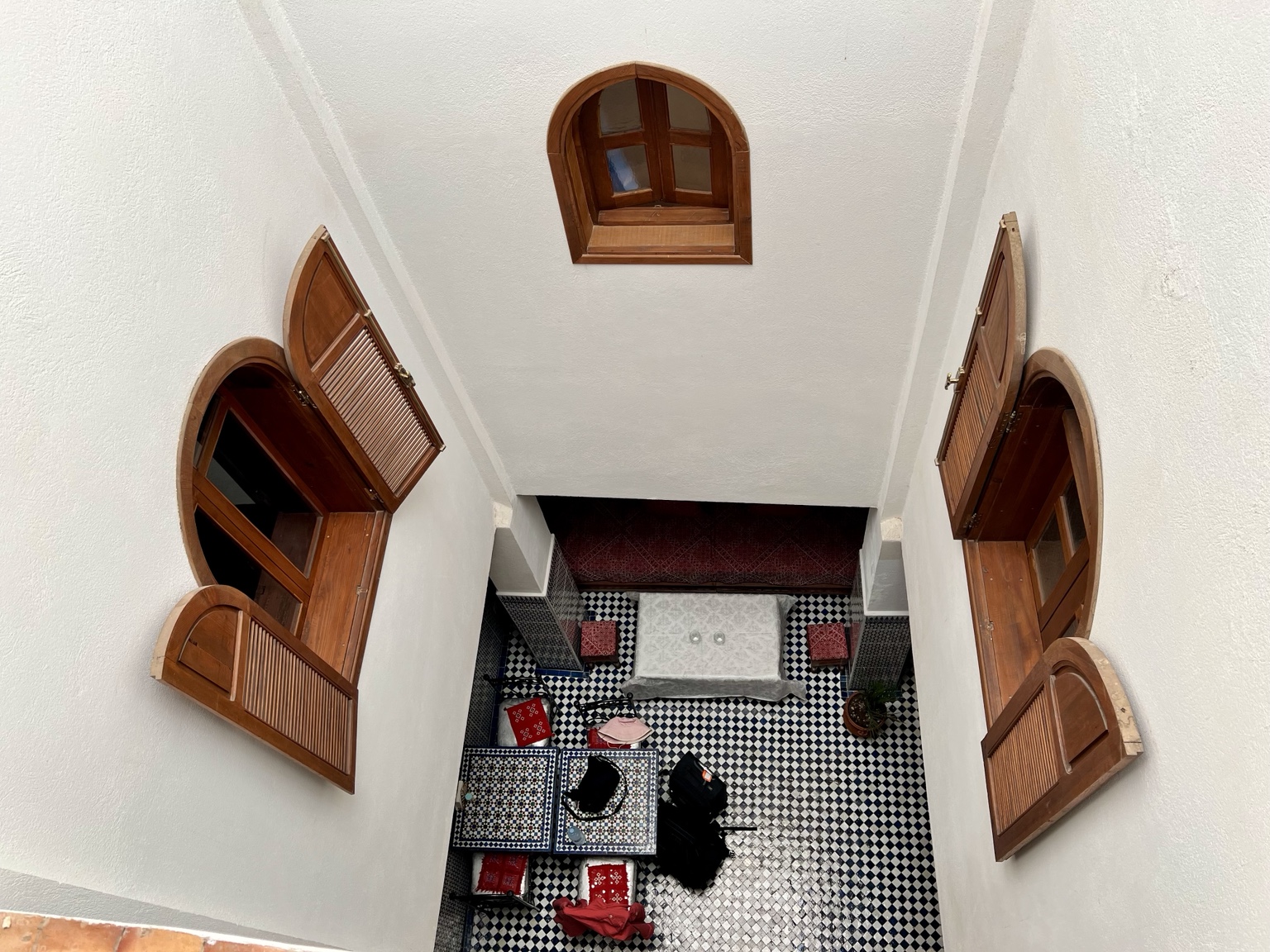
The apartment gave us separate bedrooms and bathrooms—an unexpected blessing because we were still recovering from getting sick in Marrakech.
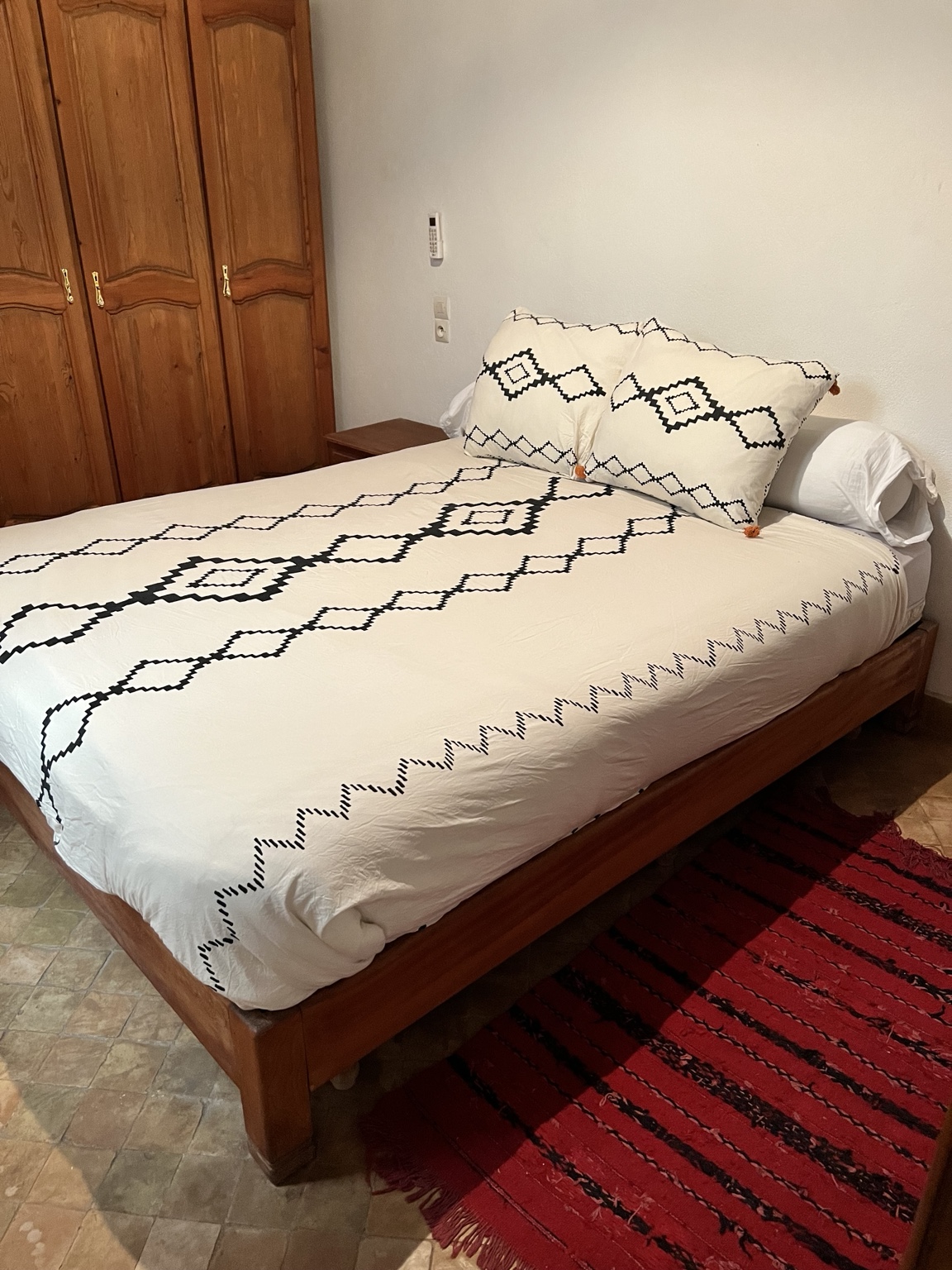
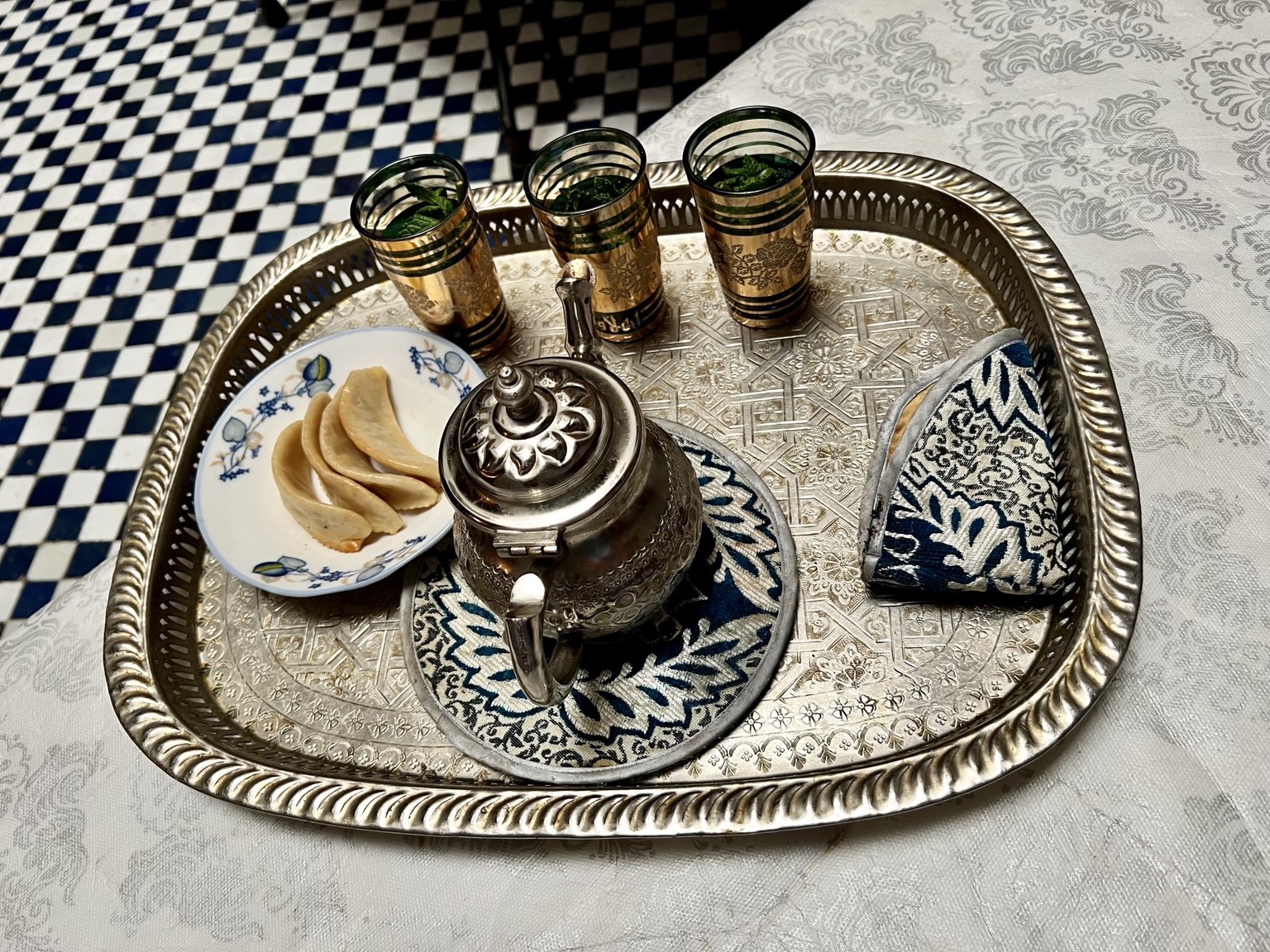
Our hosts were kind, too. They came over and brought us a welcoming tea service, which was such a thoughtful touch. We didn’t share much of a common language, but I appreciated the gesture enormously. The language difference was not a complaint.
The problem was the location. The home was deeper into a residential section of the medina than I’d realized. Its surrounding lanes were not the lively, more visitor-oriented streets we’d been picturing. They were quiet, narrow, confusing, and, at night, not particularly well lit.
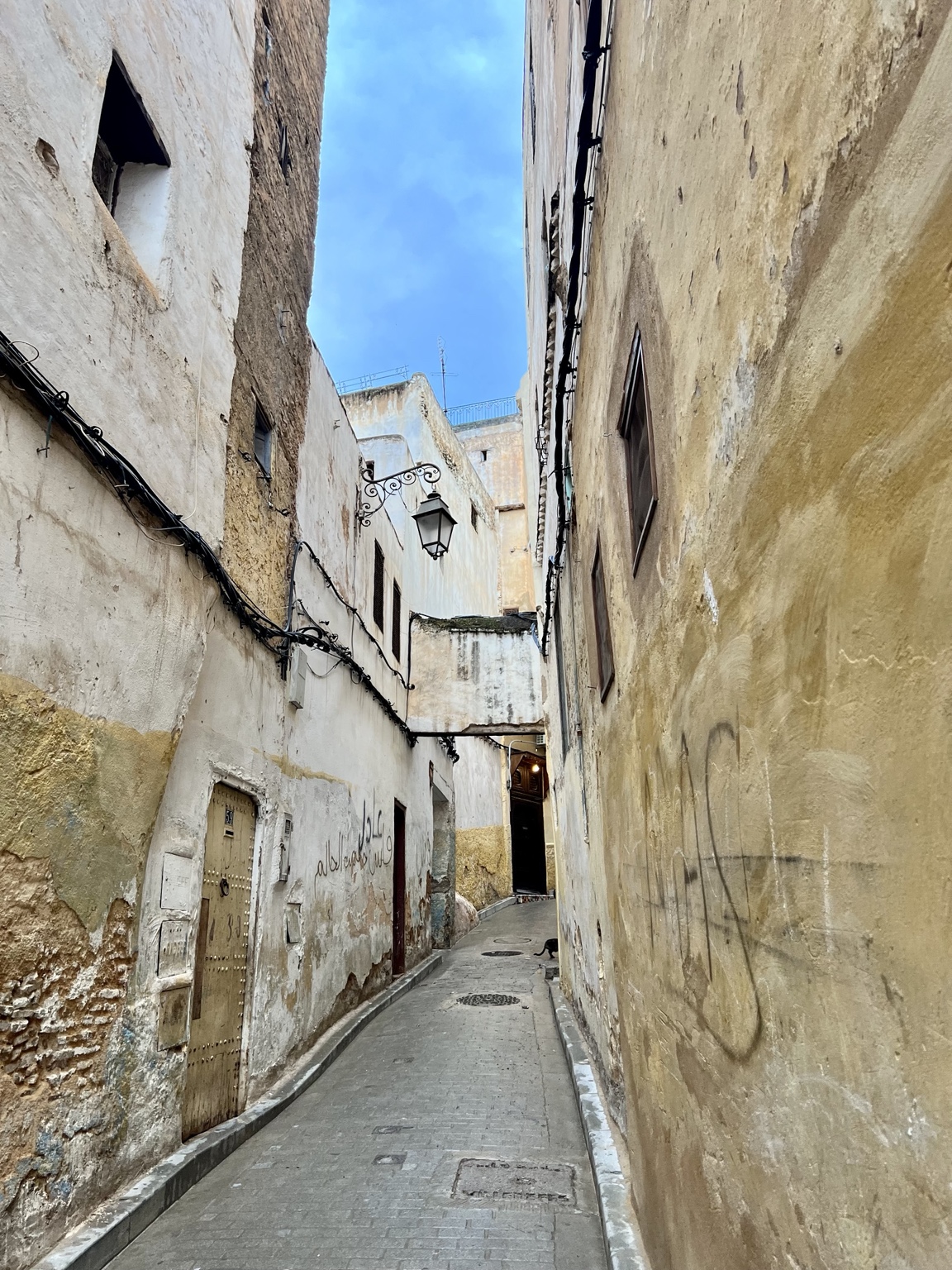
I can’t say we had a serious incident there, because we didn’t. But as two women traveling together, we sometimes felt a little vulnerable when trying to find our way back, especially after dark. It would have been worth choosing accommodation with easier access to the parts of the medina we planned to explore.
A medina where a map isn’t always enough
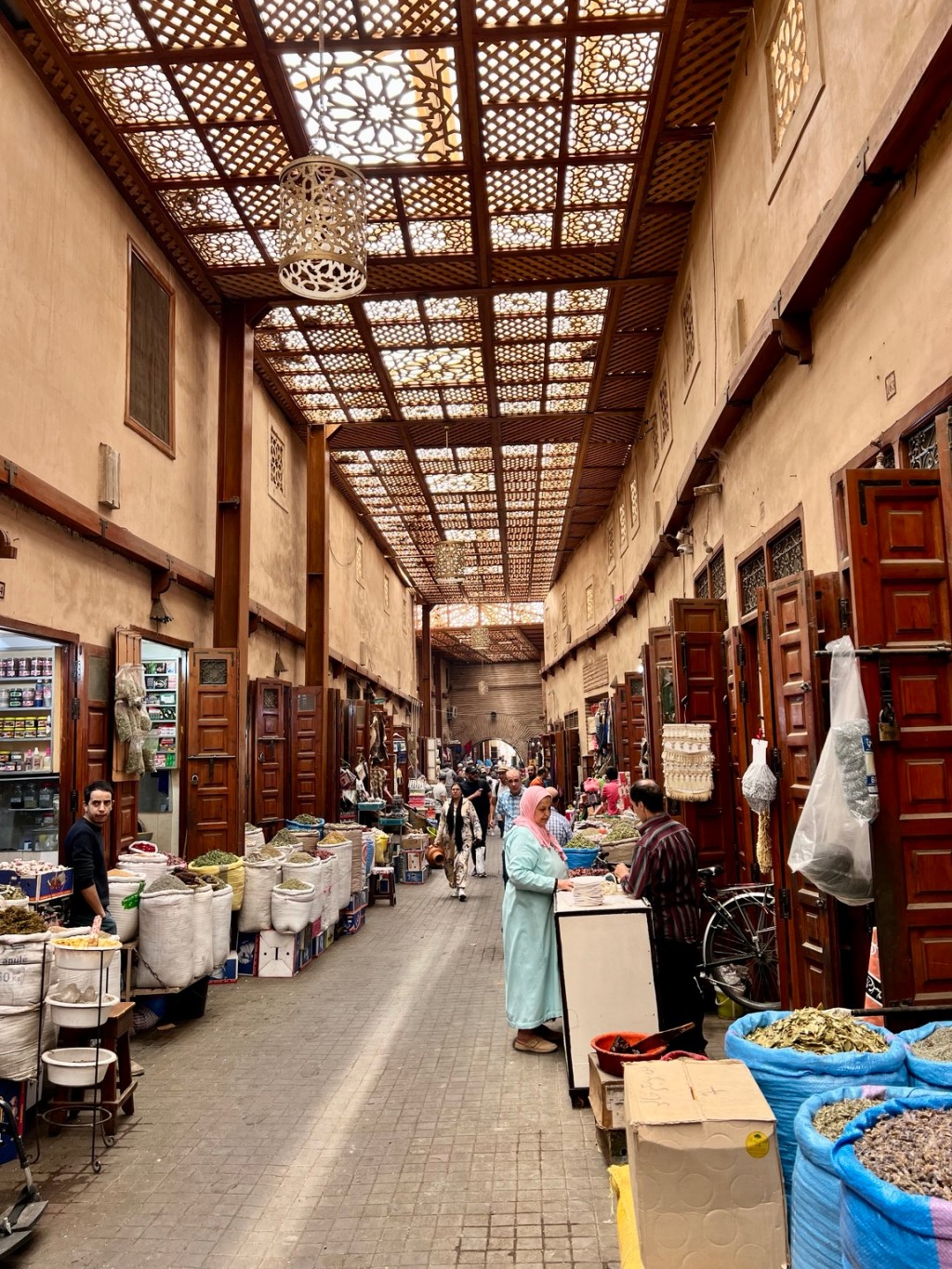
Fez’s old medina is a maze of passages, lanes, stairways and small markets. A great deal of it is pedestrian-only, so you can’t assume a taxi or driver can take you directly to your accommodation. Even when I had Google Maps open, getting around was difficult, and the phone connection wasn’t always reliable.
I admit that I’m not the world’s best navigator. But I also think this is a place where you need a plan: know your nearby gate or landmark, save directions offline if possible, and arrange precise pickup locations for any excursions. Local people often offered to help us find our way, and we did meet people who were genuinely helpful. My advice is simply to be thoughtful about what assistance you accept and to agree on payment beforehand.
The famous Fez tanneries—and an impromptu guide
I really wanted to see the leather tanneries. My vegetarian friend wasn’t interested, which was completely understandable. So I ended up going on my own.
My version of a guided tour wasn’t exactly an official booking. A man offered to take me to see the tanneries, and I accepted. He did know where he was going and showed me both part of the leather-making process and the incredible overhead views of all those round vats. I paid him for his time, and I’m glad I went. But if I’m being candid, following a stranger into unfamiliar areas alone was probably not the wisest decision I made on the trip.
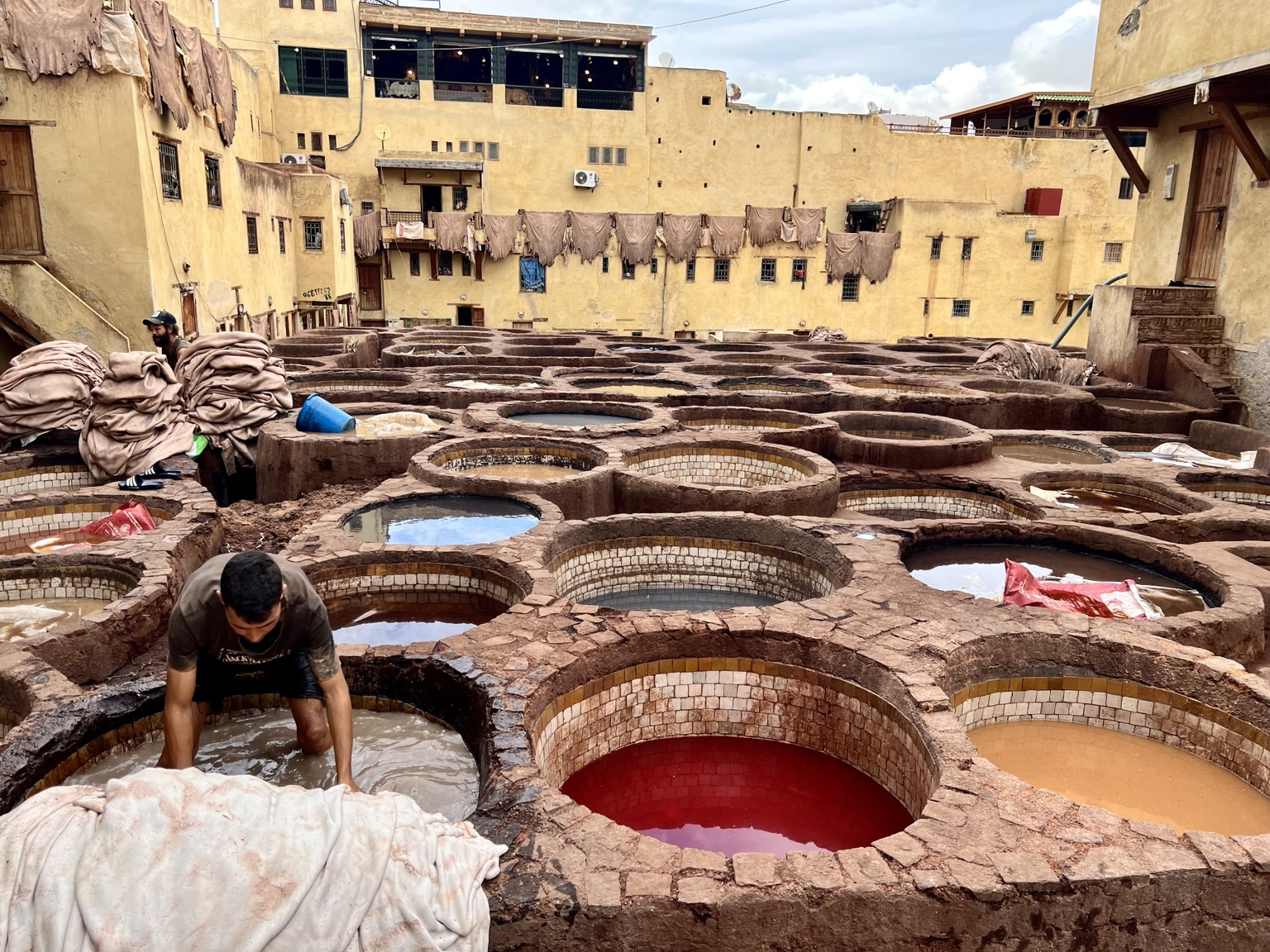
Seeing how the hides were treated and prepared before dyeing was fascinating. The process uses strong-smelling mixtures to clean and soften animal skins, including lime-based baths in traditional tanning. I cannot overstate the smell. It was one of the worst things I’ve ever smelled—and I still think the visit was worth it.
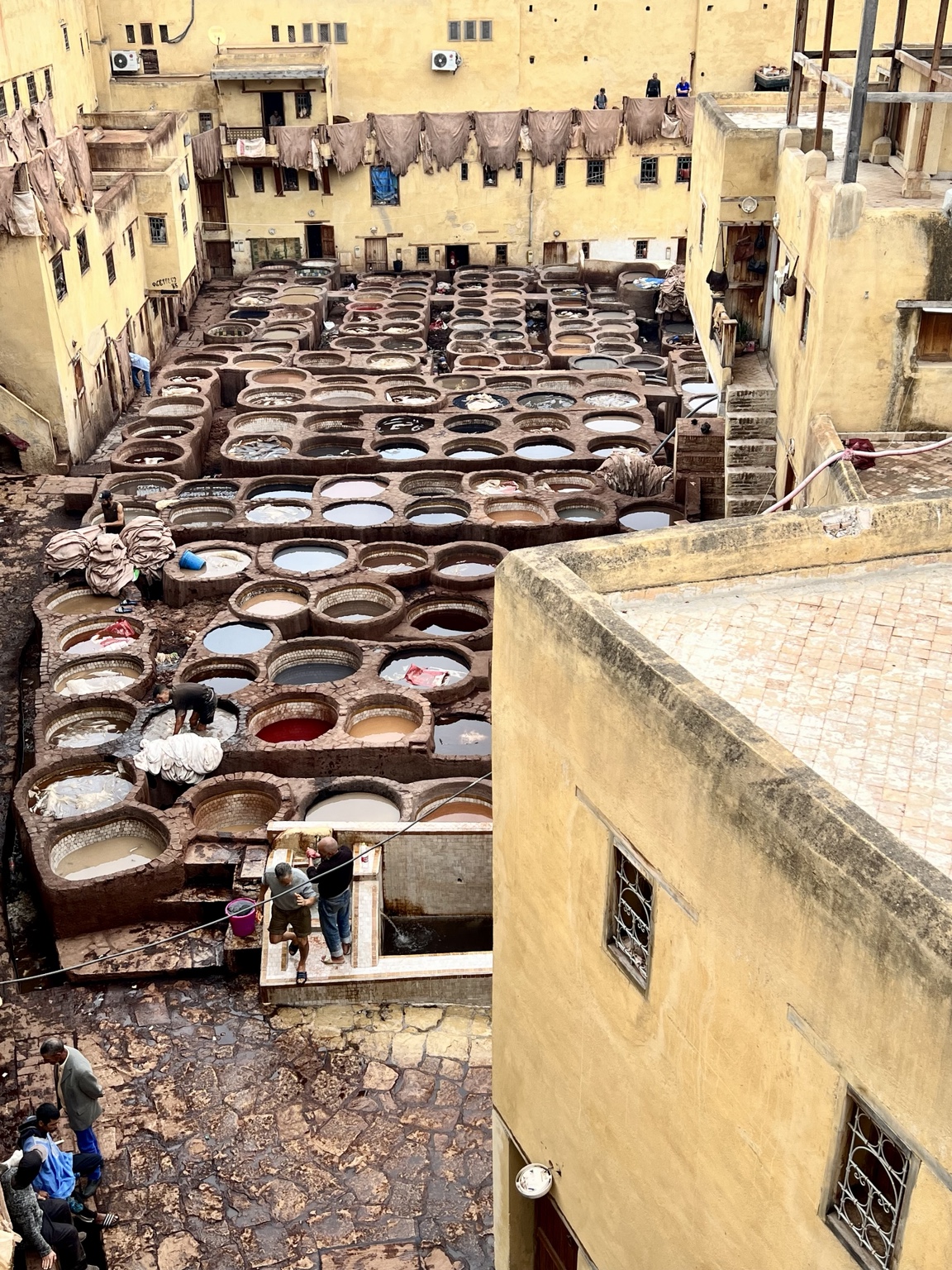
My guide then brought me to his family’s leather shop and a rug shop. There was some pressure to buy something, though not especially aggressive pressure. I didn’t purchase anything from either. It all turned out fine, but being on my own made the situation more uncomfortable than it needed to be.
For other travelers, I’d recommend arranging a reputable guide or a well-defined visit, agreeing on the total price before leaving, and being clear about whether you want to visit shops. That’s not a judgment of the people who helped us—it is simply sensible advice about staying aware of your surroundings when you’re somewhere unfamiliar.
The artists, markets and daily life of Fez
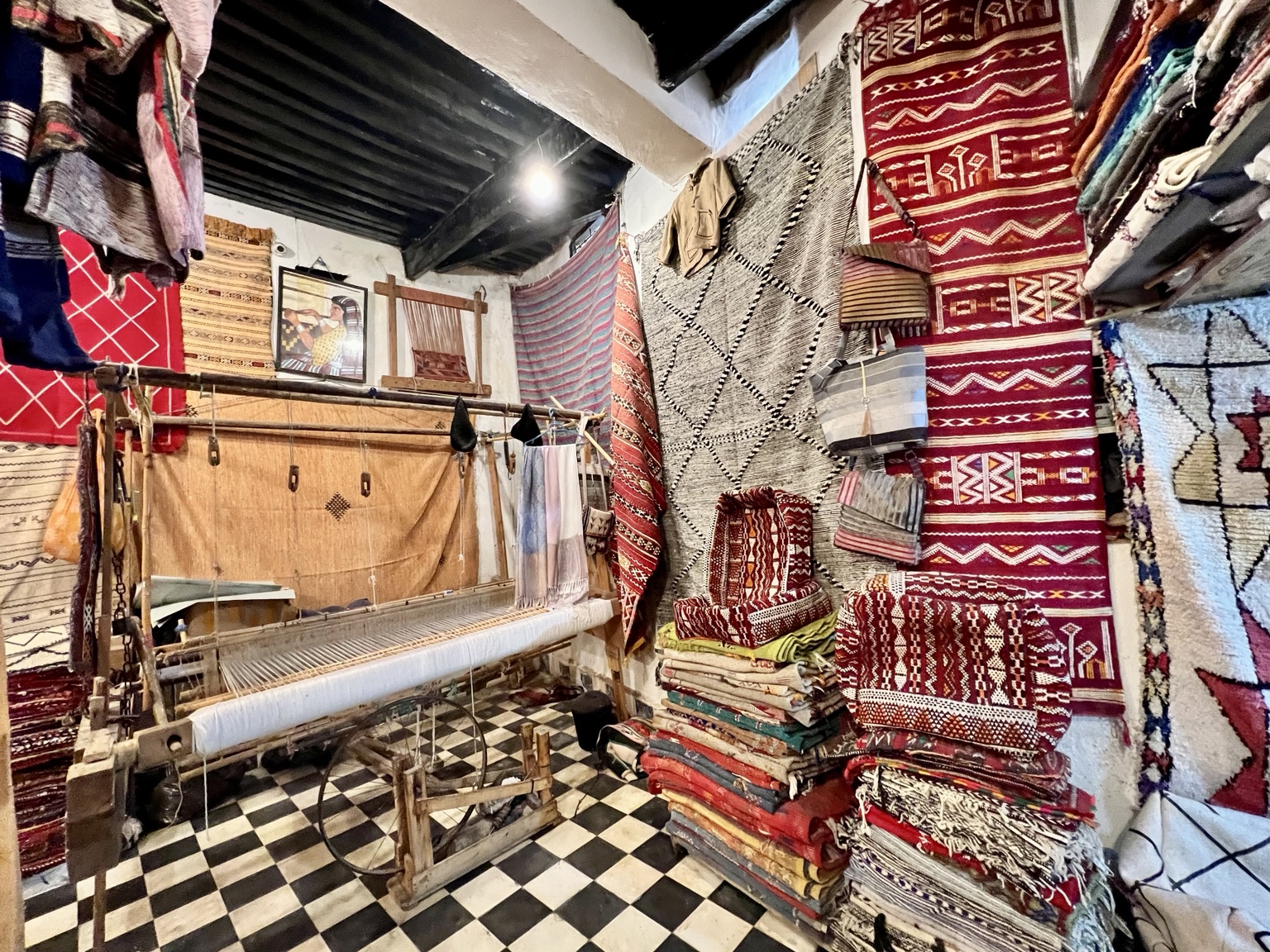
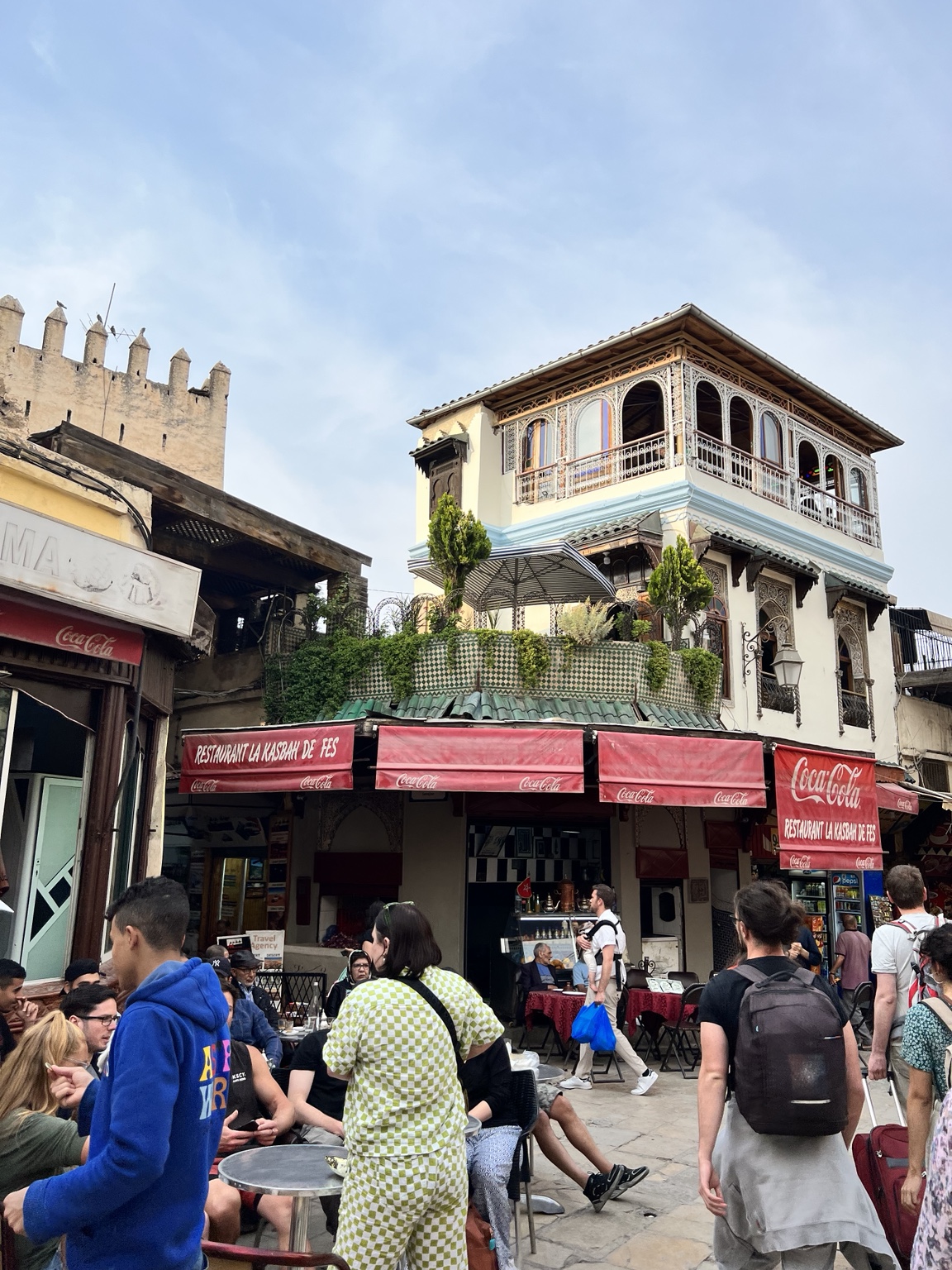
Away from the tanneries, I loved the traditional workshops and displays throughout the medina. Fez offers so many glimpses of things being made and sold, from leather slippers to rugs and copper goods. One of the little artisan squares was especially charming.
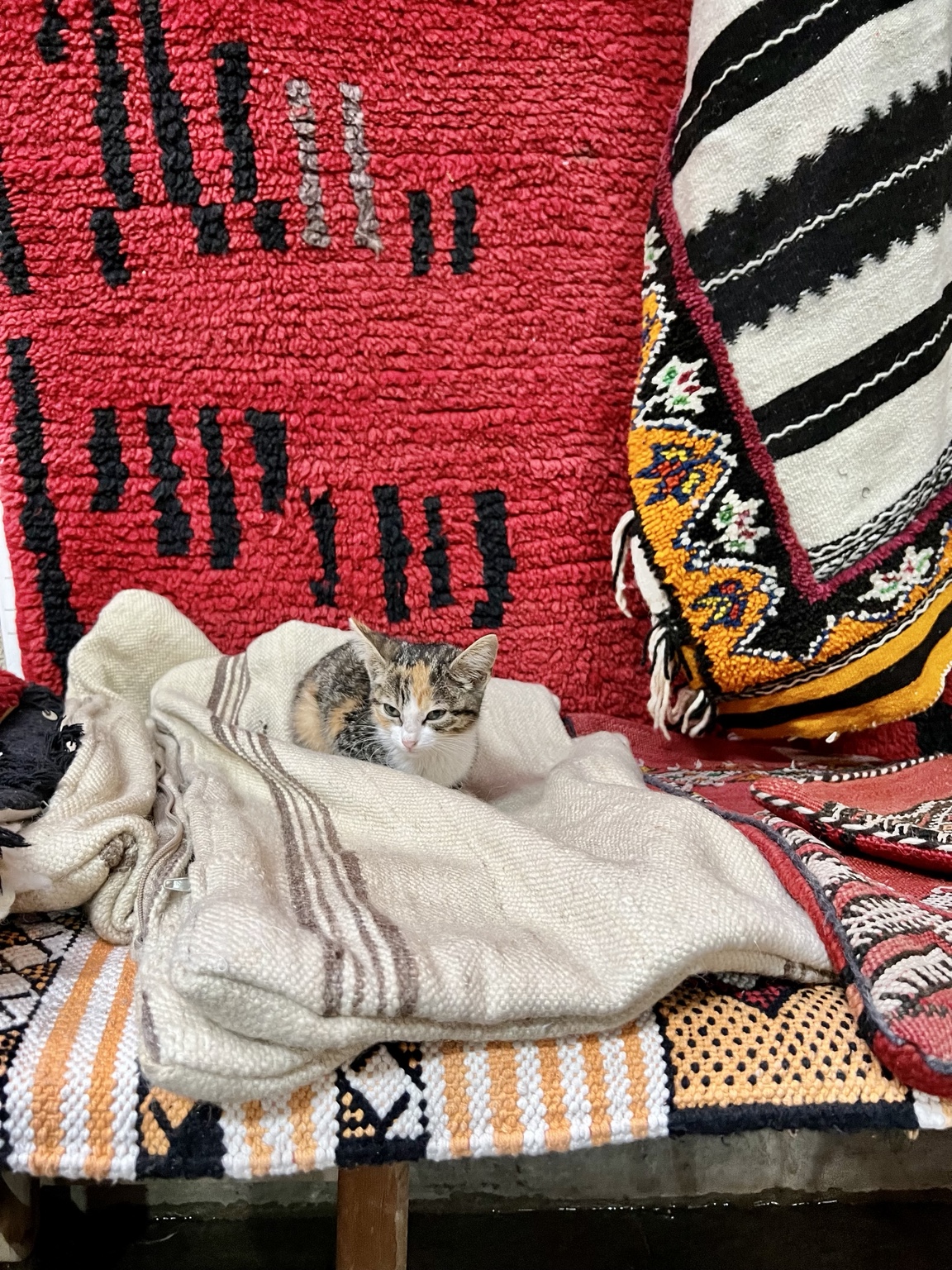
One especially sweet little discovery was a kitten nestled among the textiles in a shop.
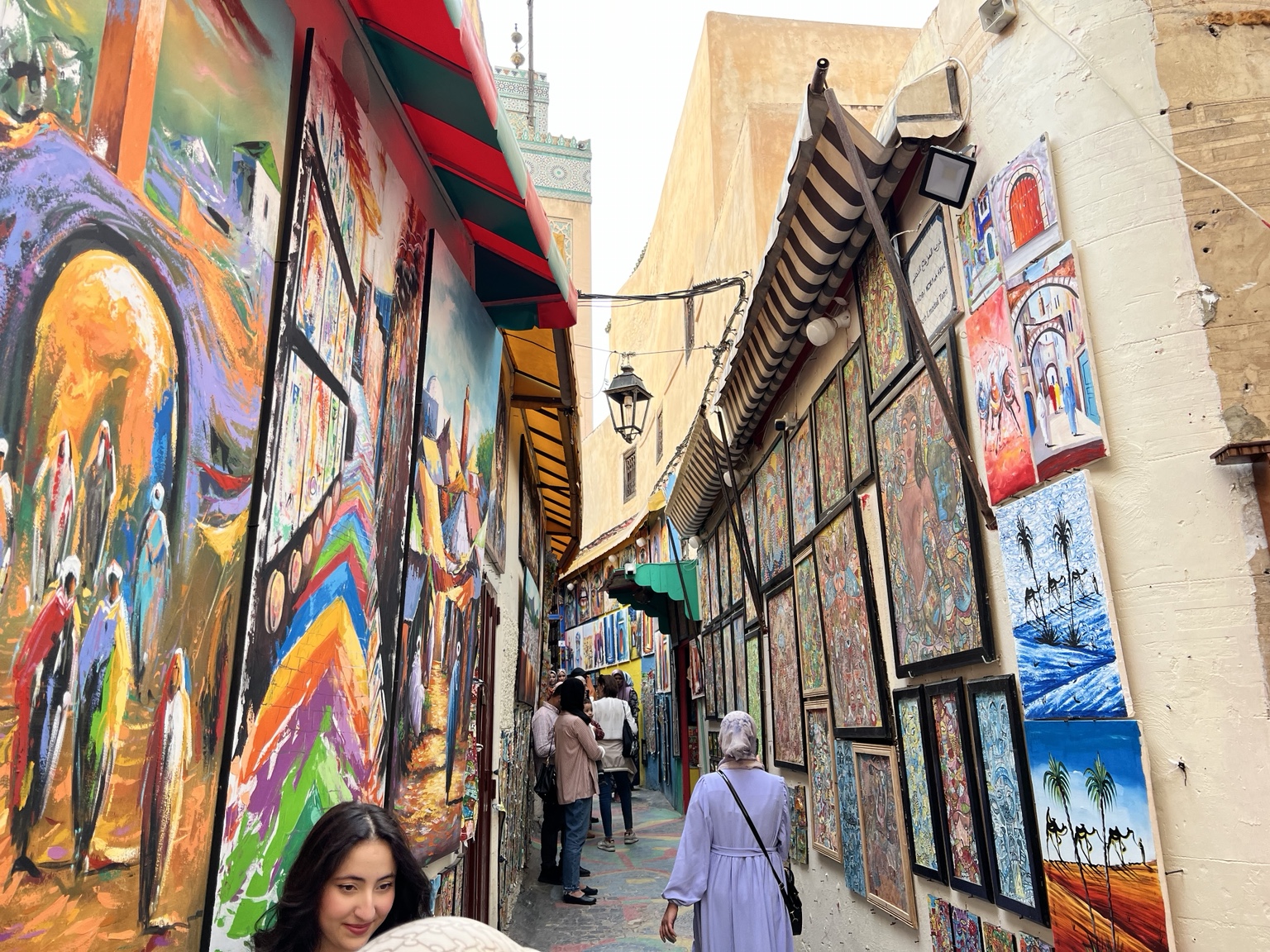
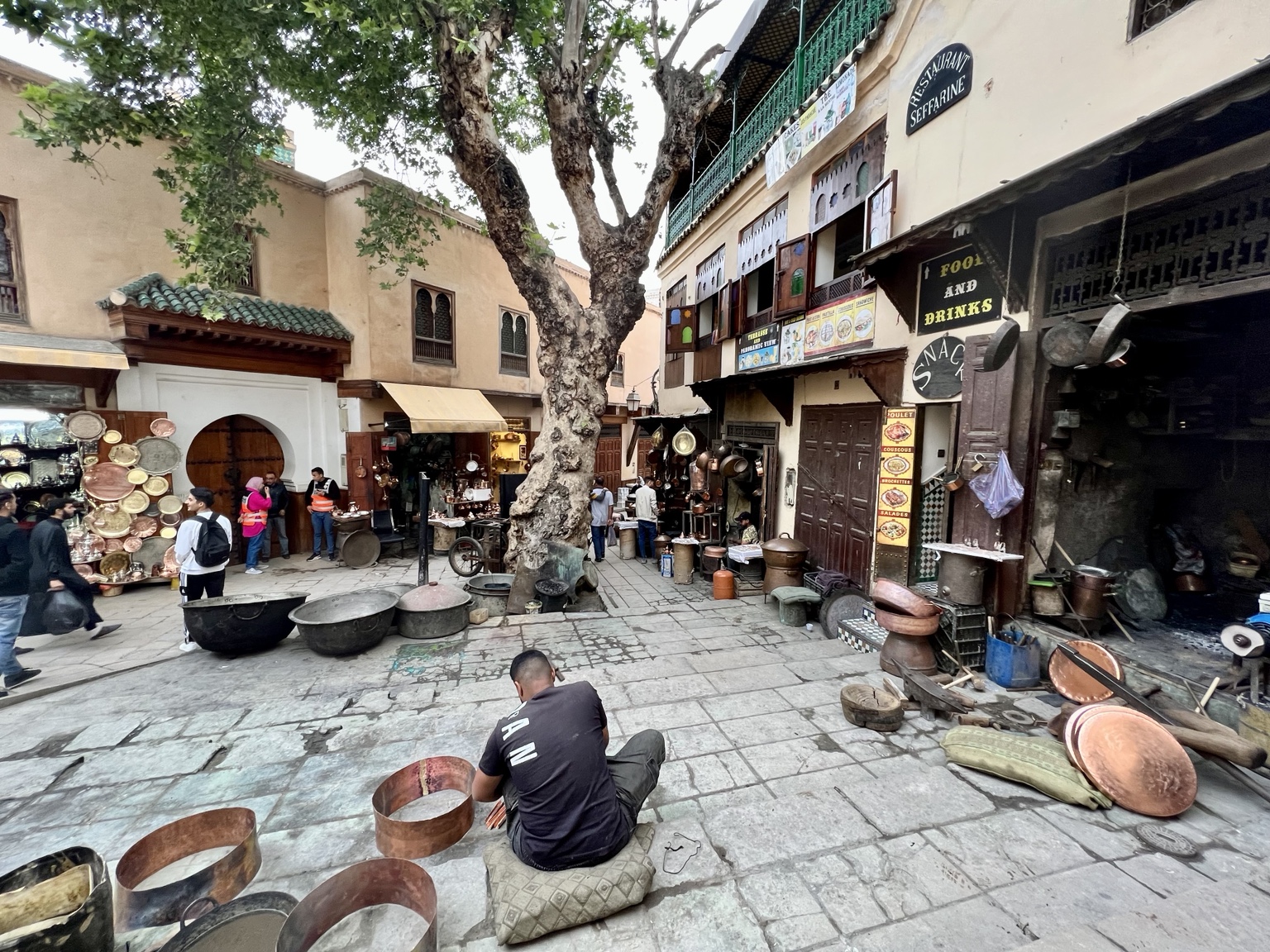
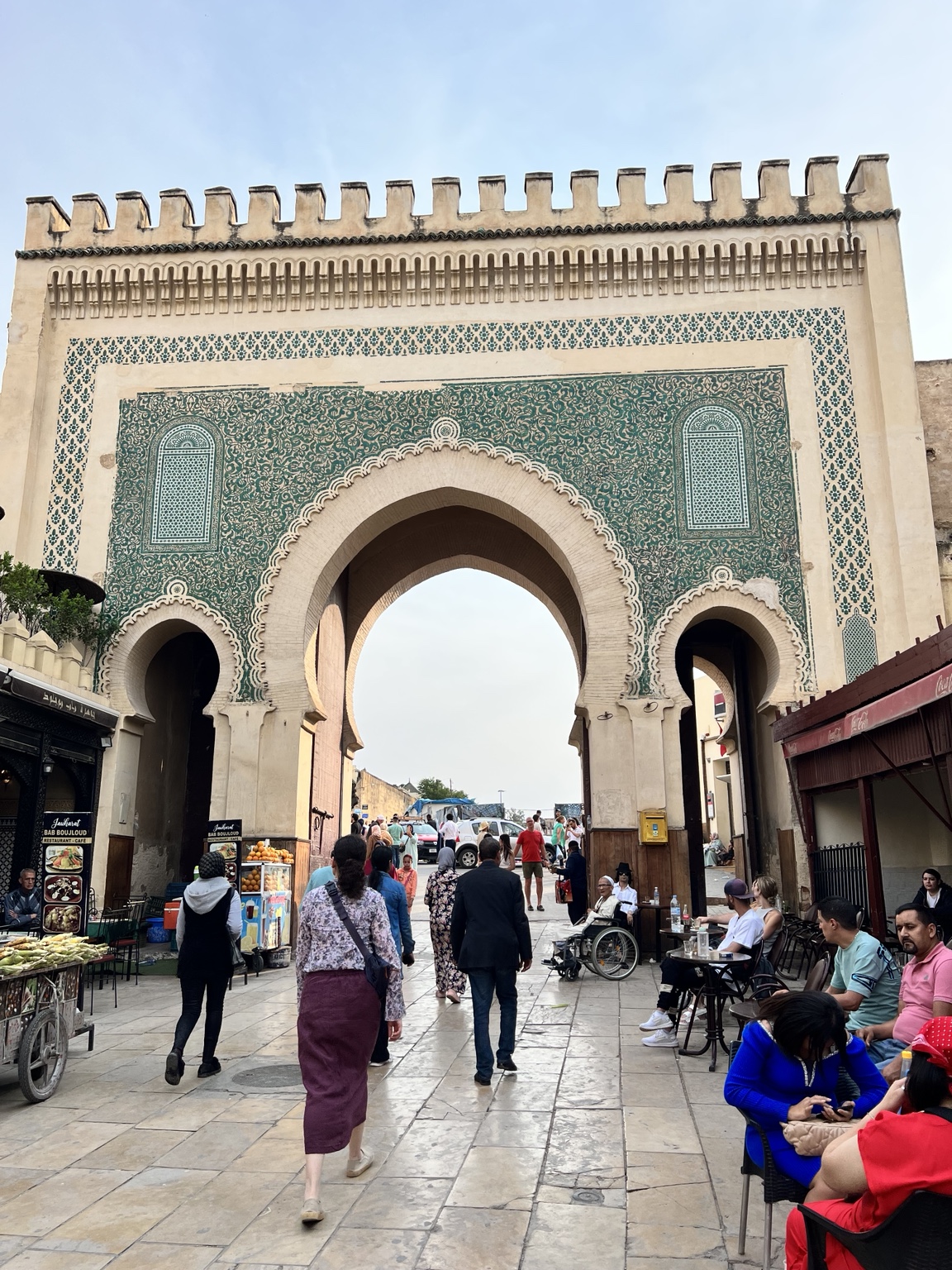
The architecture is a big part of the experience, too. A beautiful tiled entrance or an impressive historic gate could appear after a stretch of extremely ordinary-looking walls and lanes. That contrast is part of what makes Fez so memorable.
Dar Hatim: one of our favorite meals in Morocco
Oh, Dar Hatim. I absolutely loved this restaurant.
I believe I originally found it through Lonely Planet, and locating it in the maze of streets was something of a project. But inside was a gorgeous, intimate dining room filled with traditional tilework, carved details and beautiful furnishings. It felt like we were being welcomed into someone’s home—because essentially, we were.
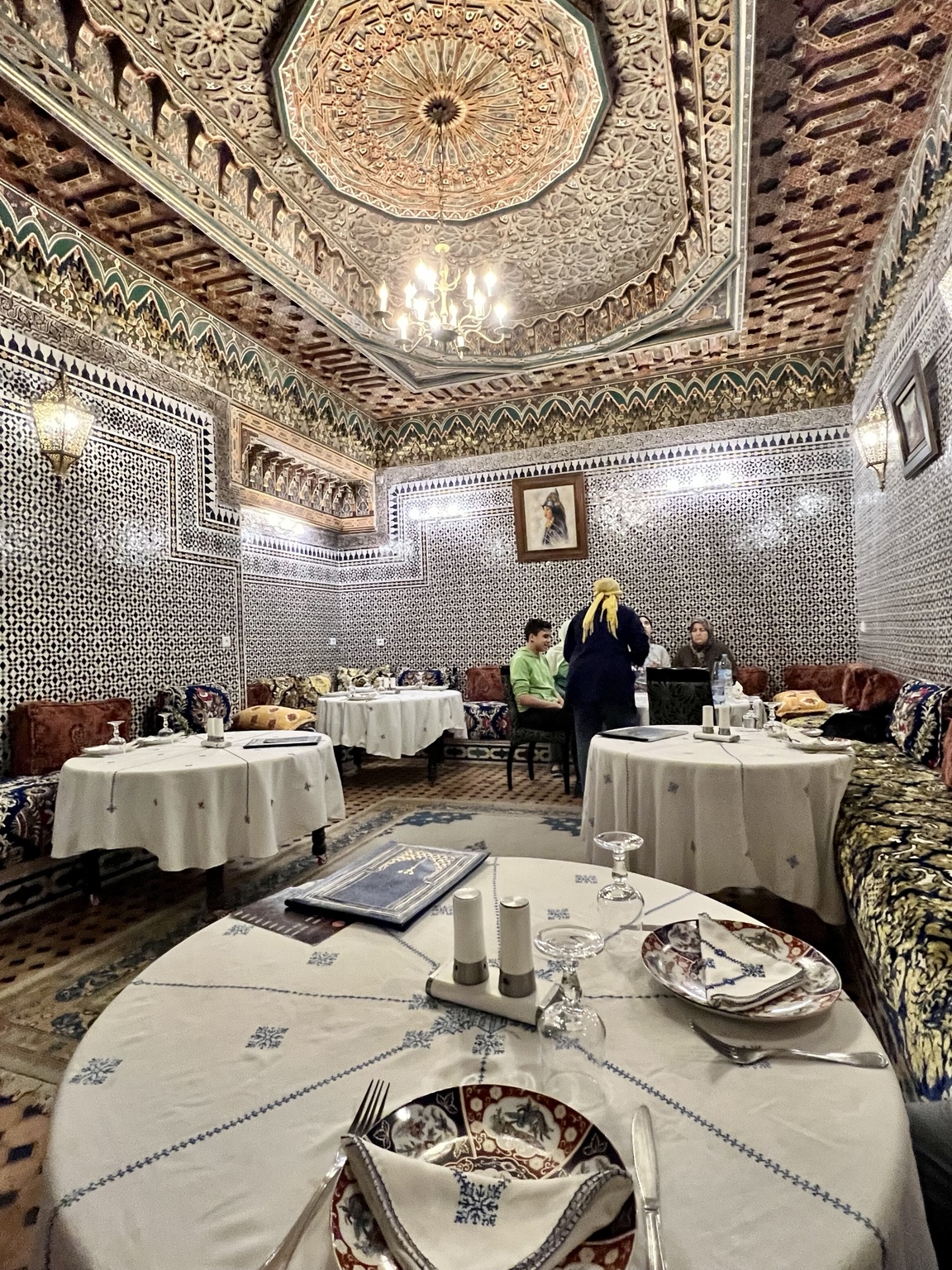
We were almost alone, apart from a family who were dining there, and the hospitality was so warm. The menu was quite limited, more like a set meal than a big list of à la carte options; I remember the main choice being meat or vegetarian. That makes complete sense for such a small home-style restaurant.
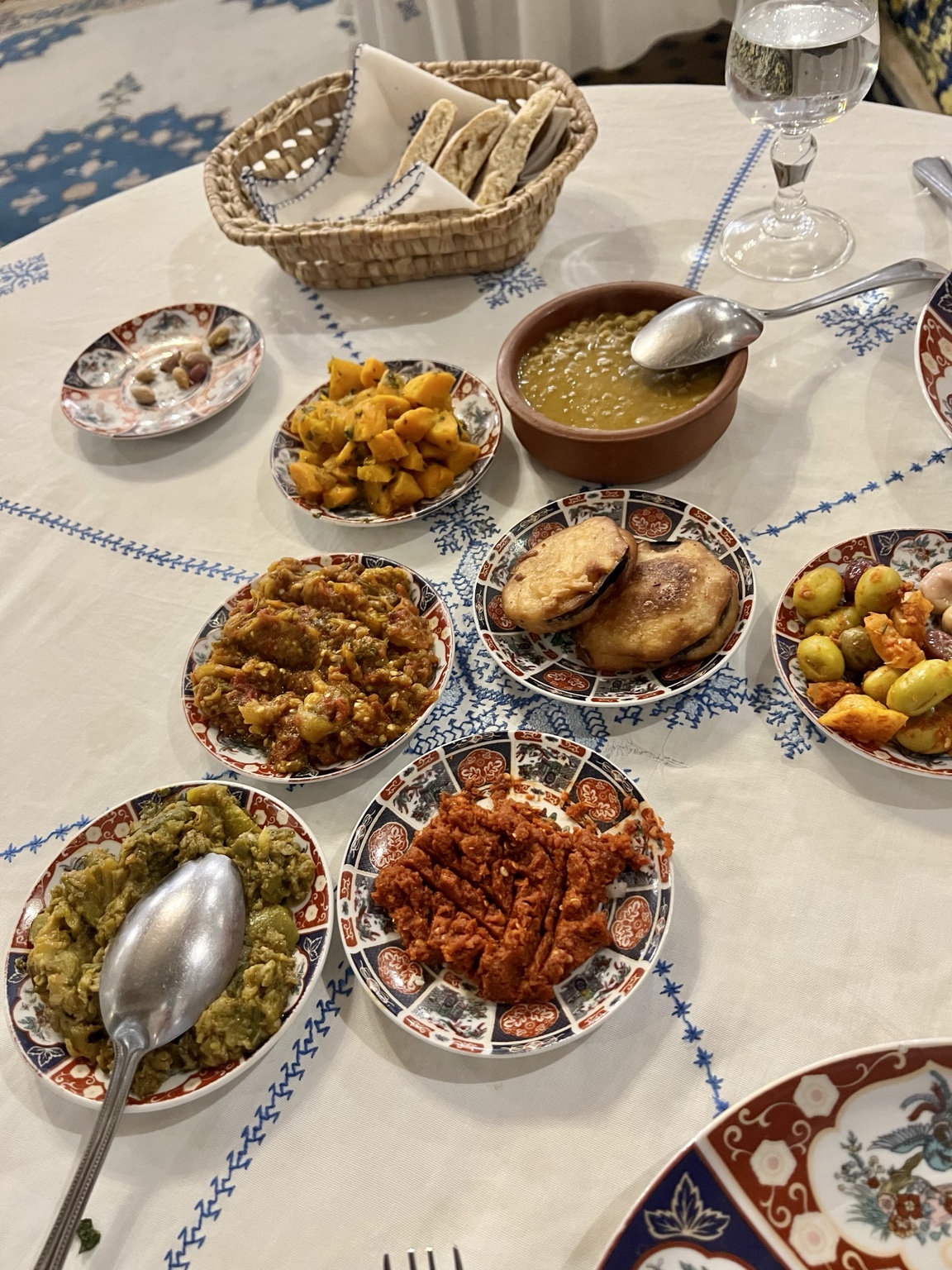
And the food! We were brought plate after plate of delicious starters and little extras. Everything felt thoughtfully prepared, and there was so much of it that we couldn’t possibly finish. They very kindly let us take the remaining treats away with us.
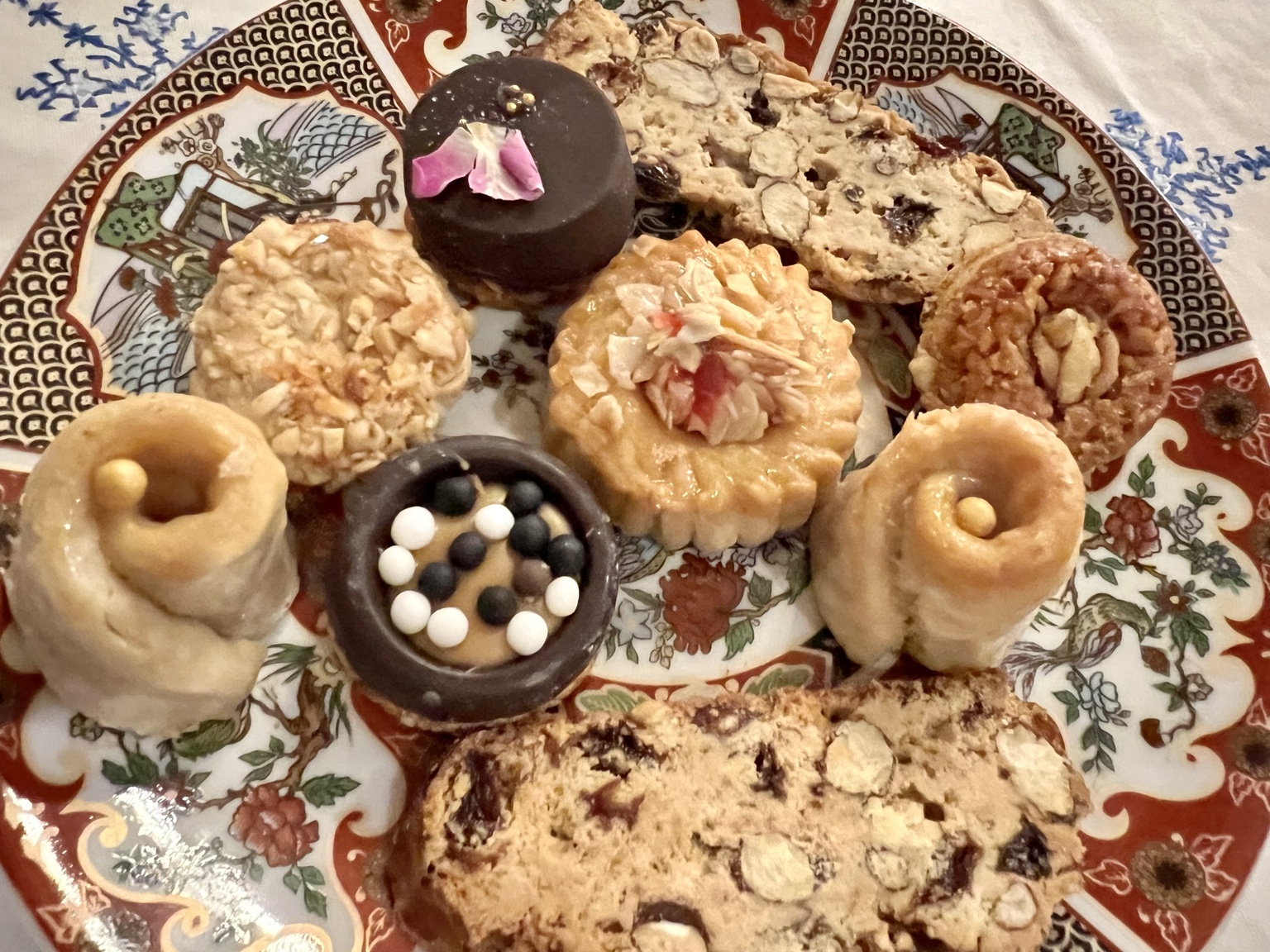
I would wholeheartedly recommend the experience we had at Dar Hatim. Because it is such a small operation with limited choices, I’d check the current menu and make arrangements in advance rather than expecting to walk in unannounced.
Another wonderful courtyard lunch—and an unexpected Sprite
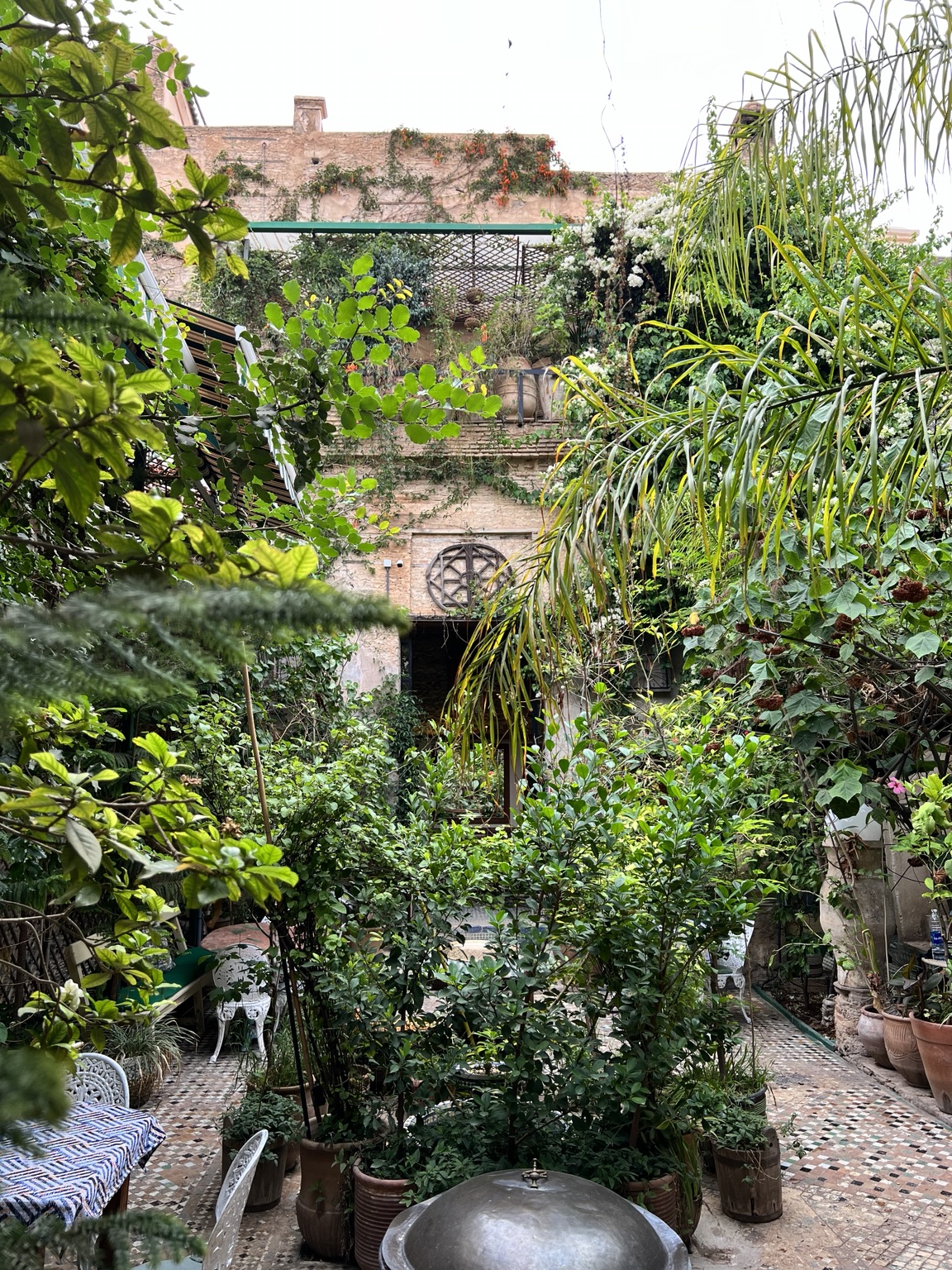
We also enjoyed a meal at The Ruined Garden, a restaurant tucked into a pretty, leafy courtyard. One thing I remember very clearly is our curiosity about something called salty lemon water on the menu. We ordered it to find out what it was. The big surprise? It was Sprite. We still laugh about that.
Would I go back to Fez?
Yes, but with a few changes. I would choose a riad or hotel in a location that was easier to navigate, ask the staff to arrange help with the medina and pickup points, and use a more clearly organized guide for sights like the tanneries. I would also build in a little extra time to wander without feeling rushed.
Fez challenged me, and it wasn’t all effortless or comfortable. But it rewarded us with wonderful food, beautiful architecture, unforgettable craftsmanship, and moments of kindness. That’s exactly why I wouldn’t want to write it off just because some of my planning decisions could have been better.
Planning a similar trip? Start with our nine-night Morocco itinerary and what I’d change, or browse the complete Morocco series as the next stories appear.


Leave a Reply